Writing this newsletter got me emotional…
I’m going to be honest… today’s newsletter is a little emotional for me.
Before I tell you why, here’s a quick rundown of what this newsletter will look like every week:
One leadership conversation we hosted,
What’s coming up next this month, and
A behind-the-scenes look at what we’re building and why
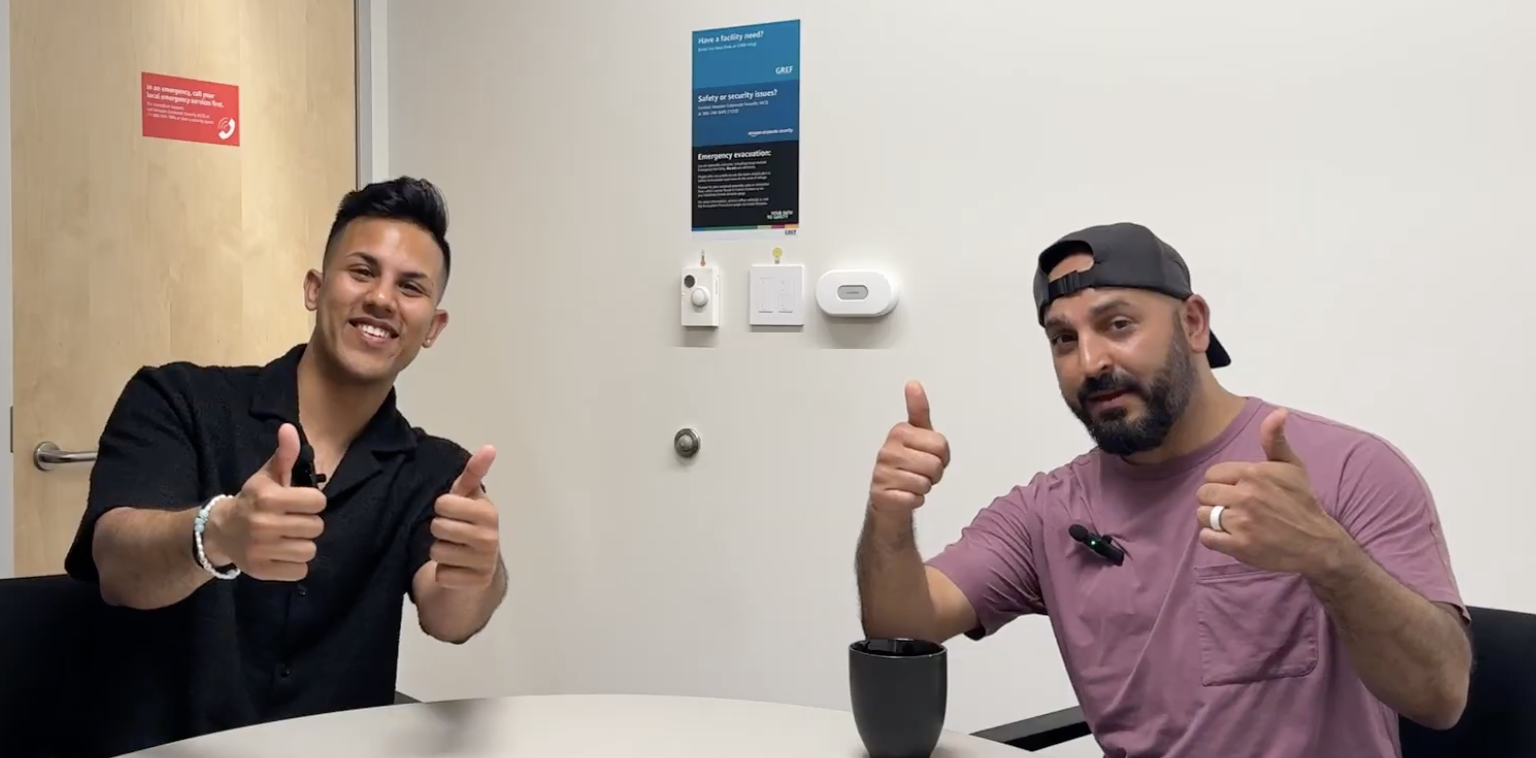
Inside the Mind of a Nepali Engineer Who Built His Way to Amazon
From switching majors to surviving layoffs to leading in startups and big tech, Sujan Baral’s journey shows that ownership, adaptability, and relentless learning matter more than talent alone.
You’ve been laid off multiple times. How did that shape the way you lead?
The first layoff felt like failure. The second felt like panic. After that, it felt like reality. I stopped believing that stability comes from a company. I realized stability comes from staying relevant. Every layoff forced me back into learning mode. I kept updating my skills even when things were going well. That mindset saved me over and over. Now, when I lead, I don’t let people get comfortable in the wrong way. Not anxious. Not paranoid. But always growing. Because the market doesn’t care how long you’ve been somewhere. It only cares if you’re still useful.
What did working in Austria teach you about focus and discipline?
Austria showed me what distraction-free work looks like. People started early, worked with full concentration, took real lunch breaks, wrapped up by mid-afternoon — and still had a full life after work. No fake busyness. No endless meetings. Just deep focus, then real rest. That changed how I think about leadership. Leadership isn’t about squeezing more hours out of people. It’s about designing systems where people can do their best work without chaos. When we work, we work. When we rest, we rest. That balance creates both performance and longevity.
You talk a lot about ownership. Where did that mindset come from?
Ownership comes from consequences. When you grow up being told what to study and what path to take, you learn to wait for instructions. You look for permission. But when you live in systems where nobody saves you — where missing a deadline or making a mistake actually costs you — you change. You either handle it or you fail. That’s why I believe ownership isn’t a personality trait. It’s a habit built by expectations. In strong teams, nobody says, “That’s not my job.” The mindset is: if my name is on it, I own the quality.
What’s the biggest difference between corporate and startups from a leadership perspective?
Corporate is clarity. The process is documented. The requirements are defined. Small mistakes can turn into massive losses, so everything is structured. Startups are ambiguity. You’re building things that don’t have a playbook. You don’t even know what customers want until you ship and feel their reaction. In corporate, leadership is about precision and consistency. In startups, leadership is about judgment and prioritization. The best leaders can do both: execute cleanly and navigate fog.
What did Amazon teach you about high standards and leadership?
Amazon taught me that standards aren’t motivational posters — they’re operating systems. The leadership principles aren’t just values. They shape hiring, decisions, performance, and priorities. You can be great at the work and still fail the interview. You can be great in interviews and struggle on the job. Elite environments don’t just test skill. They test patterns. Stories. Proof that you’ve handled hard things before. If you want to play at that level, you don’t just build ability. You build evidence.
If you could go back, what would you do differently?
I would set clearer goals earlier. Time moves fast. You look up and suddenly it’s been 5 years. Then 10. Then 15. If you don’t define where you’re going, you’ll still progress — but you won’t know if it’s in the right direction. Goals aren’t pressure. They’re a compass. They help you measure. They help you adjust. They prevent drift. Now I tell people: don’t just work hard. Work with milestones. Direction beats speed.
Key Takeaways
Stability isn’t working at a company. It’s a skill.
Distraction-free work is leadership. Design focus, don’t demand hustle.
Ownership is a habit. If your name is on it, you own the quality.
Corporate rewards precision. Startups reward judgment. Strong leaders can do both.
Elite environments test patterns, not just potential. Build proof.
Goals prevent drift. Milestones turn effort into direction.
Upcoming Events
1. Professionals Mixer - Boston
🗓 Date: Thursday, January 29
⏰ Time: 6:00 PM – 9:00 PM ET
📍 Location: 345 Harrison Ave, Boston, MA
👔 Dress Code: Business Casual (no hoodies, sweatpants, or flip-flops)
Looking to meet other Nepali students & professionals in Boston?
Our quarterly mixers are designed to help you connect, collaborate, and build real relationships within the community. Whether you’re new to the area or already part of the network, this is your space to find your people and grow together.
2. Leadership Speaker Series ft. Kapil Mishra, Managing Partner, SpCap Group
🗓 Date: Wednesday, February 4
⏰ Time: 7:00 PM – 8:00 PM ET
📍 Location: Virtual
Kapil will give a masterclass on "How to build long-term wealth investing in real estate."
What participants will learn:
- How do you get rich in real estate with no money?
- How do you buy your first rental property step by step?
- Is real estate still a good investment in 2026?
- What’s the biggest mistake new real estate investors make?About Kapil
Kapil is the Managing Partner of SpCap Group, a commercial real estate investment firm that has held, managed, operated, andtransacted over 800 residential units as part of the company’s portfolio, with Assets Under Management (AUM) exceeding $100M.
Through SpCap, he invests alongside partners to acquire, operate, and grow income-producing properties using disciplined acquisition, asset management, and exit strategies. Before launching SpCap, Kapil built his career across banking, consulting, private equity, and treasury roles at major financial institutions. He has held various leadership roles at firms including Santander, Northern Trust, Deutsche Bank Asset Management as well as Rockland Management, Navigant, and NERA.
3. Leadership Speaker Series ft. Suman Raj Timsina, CEO, Everest Federal Credit Union | Executive Director, International Development Institute (IDI)
🗓 Date: Wednesday, February 11
⏰ Time: 7:00 PM – 8:00 PM ET
📍 Location: Virtual
Suman will break down “How to Find a High-Paying Career You Love Through Networking.”
What participants will learn:- How do you use networking to get a job or grow your career?
- What does “your network is your net worth” really mean (with real examples)?
- How do you network without feeling awkward or fake?
- How do you find a career you love and still make good money?
- How do you create new opportunities by connecting different industries?About Suman:
Suman Raj Timsina has 30+ years of experience across international development and financial services. He is the CEO of Everest Federal Credit Union (EFCU), the only U.S. federal credit union serving the Nepali diaspora, where he works on making banking and credit-building more accessible for the community.
He is also the Executive Director of the International Development Institute (IDI), leading large projects with partners like the World Bank, USAID, and GIZ that have shaped policies in education, local governance, and tourism in Nepal.
Earlier, he held senior roles in corporate banking and has worked extensively in entrepreneurship, social inclusion, disability rights, and community development, including mobilizing diaspora networks like NRNA. A Fulbright Fellow, he holds advanced degrees from the University of Pennsylvania and Jawaharlal Nehru University and is the founding President of NRNA USA.
Behind The Scenes
Now let me tell you why today’s newsletter is a little emotional for me.
It took us 5 months of building to finally get things moving.
There were a lot of moments where I wasn’t sure if this would ever turn into something real.
But this past week… it finally felt like it did.
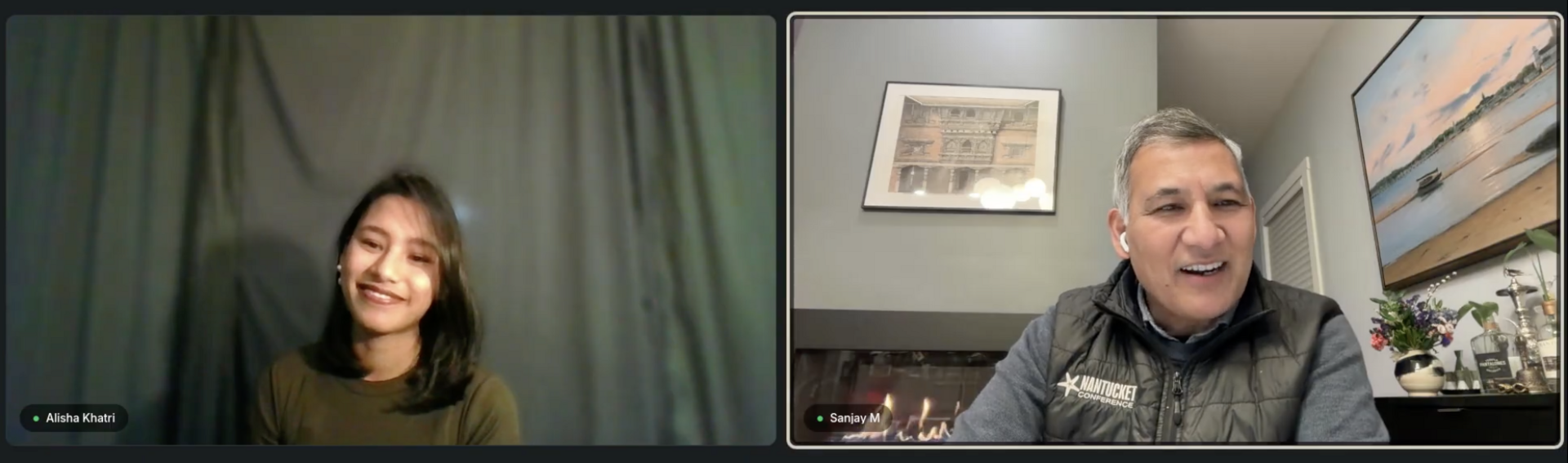
On Jan 21, we hosted our first Leadership Speaker Series.
We had 52 people RSVP.
(You can watch the full recording inside our community)
That number isn’t massive.
But after months of building quietly, it meant more to me than I can explain.
We also officially started planning our Nepal-US Hackathon 2026.
And honestly… the goal we set is kind of scary.
I’m not 100% sure we’ll hit it.
But the people helping organize it are talented, generous with their time, and genuinely care about making it work.
No matter how it turns out, we believe the impact will be there.
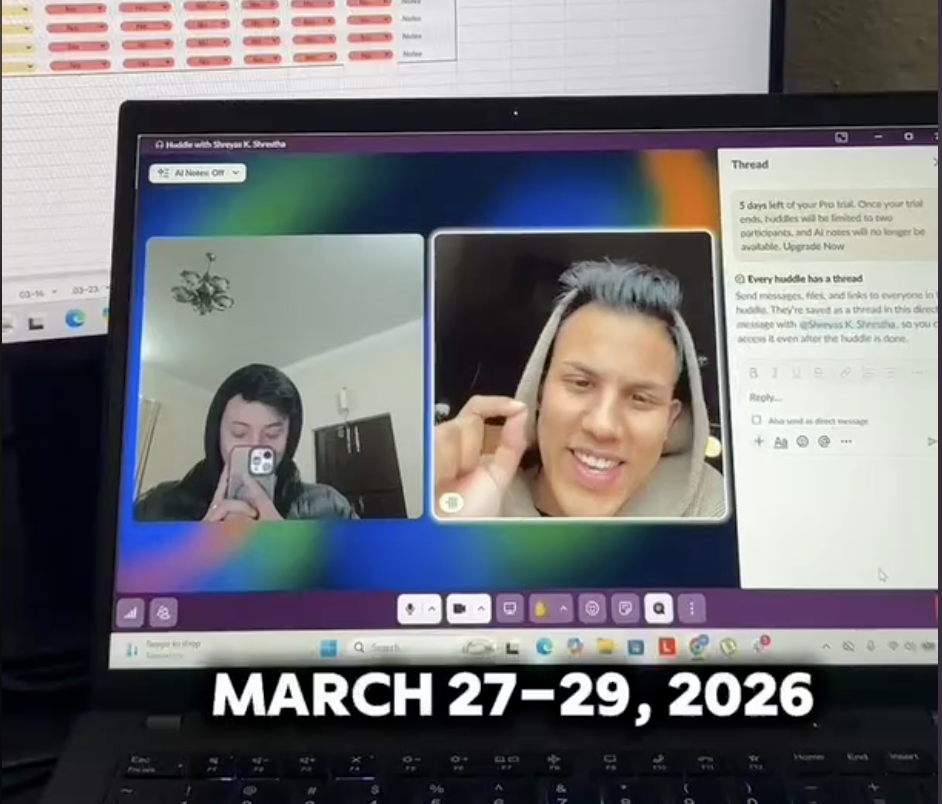
(FYI Forgot to take a team pic… you’ll meet them next time)
Lastly, our last Professional Mixer is this Thursday.
And something small but meaningful happened:
ZUZU MOMO is sponsoring appetizers.

Anyways, now that you’re officially caught up, you can check out our website to see the full breakdown of what Nepali Leaders Network is, where we’re going, and the long-term vision behind this whole thing.
And if you haven’t already,join our free community — it’s the hub for everything: events, fellowships, networking, and all the opportunities we’re rolling out next.
More soon,
Shreyas K. Shrestha
Founder, Nepali Leaders Network
P.S. If you made it this far, you’re a real one. These newsletters might be my favorite way to stay connected to 1,100+ of you. See you back in a week!
