What Happened to NSA Boston?
Happy New Year 2026!!!
Our last event as NSA Boston was in July 2025, then we basically disappeared...
Yeah… I know. Zero warning. Radio silence. Poof.
But we’ve been heads-down, fixing things, tightening systems, and getting way sharper than before.
We’re starting 2026 with a little over 30 events planned (virtual + in-person), two full-time hires in place, and the launch of our fellowship programs… which we’ll share more about next time.
If you want the full “what actually happened?” breakdown, it’s all down below.
But before we get into that, here’s the quick rundown of what this newsletter will look like every other week. Every issue, you’ll get:
one leadership conversation we hosted
events coming up for the month
a quick peek at what we’ve been building behind the scenes.
How a Misfit From a Nepali Military School Became MIT’s Global Connector for AI Education
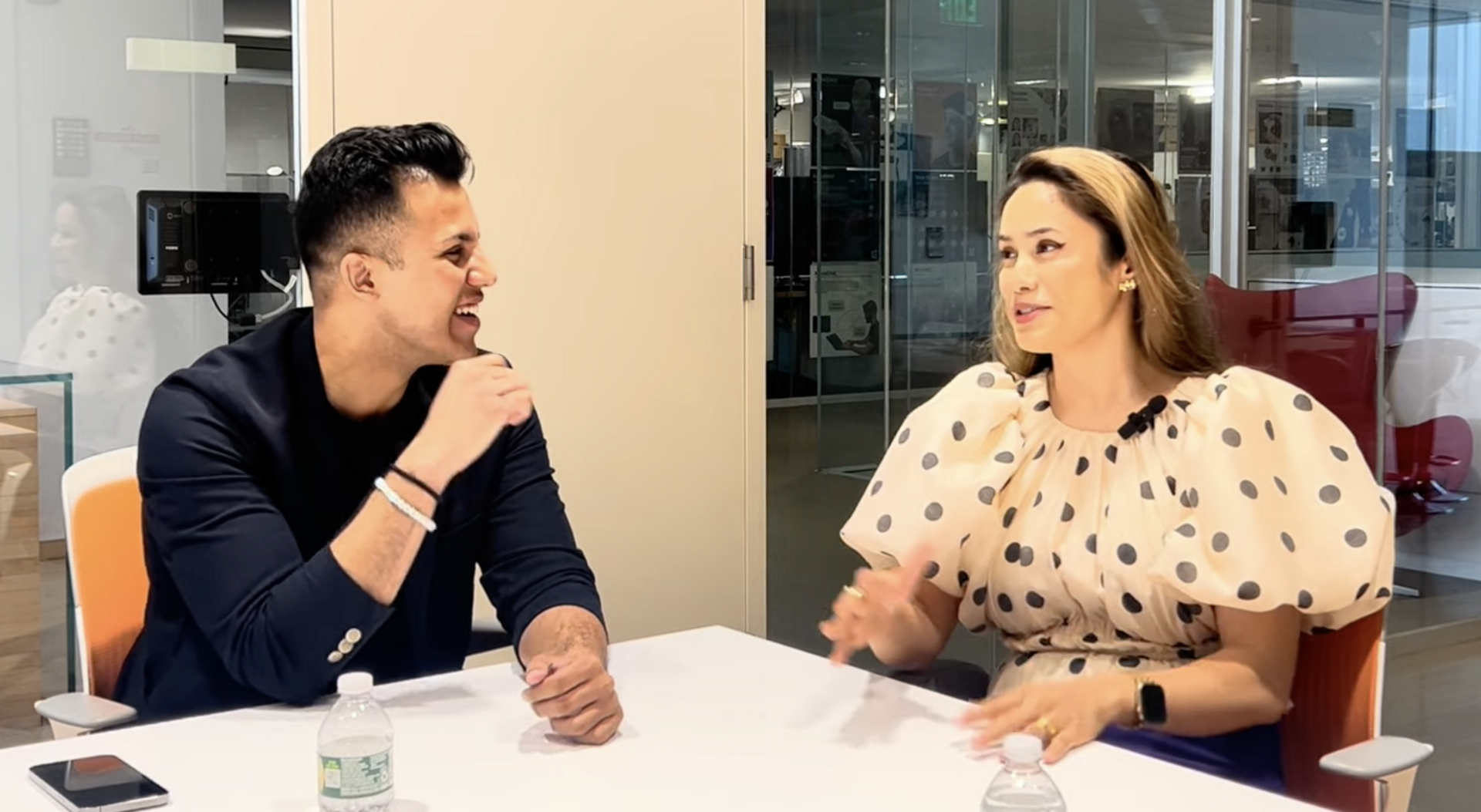
From fighting bullies in Kathmandu to leading multi-million-dollar partnerships at MIT, Rupa Laxmi Shah proves that relationship compounding—not credentials—is the real career superpower.
You shared that you grew up feeling like a “misfit” in a strict Nepali military family. How did that shape your leadership today?
Being a misfit made me independent early. I didn’t fit in at school, didn’t fit in at home, and constantly had to fight for what I believed in. That shaped my resilience. When you grow up pushing back against structure, you learn to create your own. Later in life, whether in Hollywood, nonprofit work, or MIT, I wasn’t intimidated by unfamiliar rooms. I was used to being the outsider.
You came to the U.S. alone at 20 with $390. What kept you going during those early years?
Fear, honestly. I didn’t want to fail and end up homeless. I knew my parents had taken out a loan on our house to send me here. That pressure made me look for opportunities everywhere - any job, any connection, any chance to learn. I didn’t have a mentor or a plan, so I created momentum by constantly moving. That survival mode turned into ambition later.
You talk a lot about relationships. What do young professionals get wrong about networking?
They treat it like a one-time transaction. Someone meets me for coffee, asks for advice, and disappears. No follow-up, no thank you, no update. The people who win are the ones who stay in your orbit. I got my Warner Bros internship because I followed up every semester for two years. At MIT, every major funding partnership came from long-term nurturing. Relationship-building is maintenance, not magic.
You helped scale Scratch by 400% and expand its reach worldwide, including 40,000+ Nepali students. What made that possible?
Vision plus collaboration. Scratch was strong, but its global reach was limited. So I pitched funders like Google on expanding access, especially to underserved communities. I traveled, met partners, and kept communication alive. Fundraising isn’t about big asks; it’s about showing consistent value. When people trust you, they support the mission.
What’s your biggest advice for young Nepali professionals today?
Be resilient, be rebellious, and be relentless. You’re not supposed to have everything figured out at 20. Confusion is a good sign… it means you’re searching. Find your community, nurture relationships, and never stop showing up.
Key Takeaways
Your 20s aren’t for clarity, they’re for confusion and exploration.
Relationships compound only if you stay in someone’s orbit.
Persistence beats pedigree: follow up, follow through, stay visible.
Global impact starts with one bold ask and consistent nurturing.
Resilience, rebellion, and relentlessness create opportunity.
Join Our Free Community To Watch
Upcoming Events
1. Leadership Speaker Series ft. Sanjay Manandhar, CEO, Zifino
🗓 Date: Tuesday, January 21
⏰ Time: 7:00 PM – 8:00 PM ET
📍 Location: Virtual
Sanjay will be diving into personal finance for young professionals and rising leaders—from money mindsets to practical frameworks for saving, investing, and building long-term financial stability.About Sanjay:
Sanjay Manandhar helped bring the internet to Nepal in the early ’90s and has spent 25+ years building startups in AI, cybersecurity, and digital media. He founded Aerva—powering 10,000+ screens including Times Square billboards—co-founded facial recognition startup Wicket, and now leads next-gen cybersecurity company Zifino. He holds multiple patents and has advised a £12B European tech fund.
2. Professionals Mixer - Boston
🗓 Date: Wednesday, January 29
⏰ Time: 6:00 PM – 9:00 PM ET
📍 Location: 345 Harrison Ave, Boston, MA
👔 Dress Code: Business Casual (no hoodies, sweatpants, or flip-flops)
Looking to meet other Nepali students & professionals in Boston?
Our quarterly mixers are designed to help you connect, collaborate, and build real relationships within the community. Whether you’re new to the area or already part of the network, this is your space to find your people and grow together.
3. Leadership Speaker Series ft. [Guest Speaker]
🗓 Date: Tuesday, February 4
⏰ Time: 7:00 PM – 8:00 PM ET
📍 Location: Virtual
A deep-dive conversation on leadership, innovation, and navigating global careers as a Nepali professional. Announcing our guest speaker in 2 weeks.
Join Our Free Community To RSVP
Behind The Scenes
Okay, now let me tell you what really went down behind the curtain these last six months...
We basically tore the whole operation apart and rebuilt it from scratch.
Here’s why.
Right after the Nepal–US AI Hackathon 2025, demand hit us like a freight train.
People wanted more. More quality mixers, more hackathons, more mentorship, more panels, more ways to get involved.
And it wasn’t just students. Professionals from every stage were showing up and asking how they could plug in.
At one point, it felt like every dai, didi, uncle & aunty had an idea for what we should do next.
That’s when two things became painfully obvious.
First:
NSA Boston was built for students. But more than 80% of the people showing up were professionals.
And not just from Boston, from across the US and even other countries.
The brand didn’t match the community anymore. We had to evolve for students and professionals.
So: NSA Boston → Nepali Leaders Network.
A global leadership platform empowering emerging & established Nepali leaders to connect, grow, and give back.
Second:
The vision was huge… but our systems were tiny.
We were running on passion and adrenaline... which is fun until you realize passion doesn’t scale and adrenaline crashes harder than Coffee at 2 p.m.
If we kept growing like that, we would’ve burnt out. Period.
So we forced ourselves to take two steps back, rebuild everything, and set ourselves up to take ten steps forward.
And we're back with...
Stronger brand. Stronger operations. And a 2026 program lineup that can actually scale.
Now that you’re officially caught up, you can check out our website to see the full breakdown of what Nepali Leaders Network is, where we’re going, and the long-term vision behind this whole thing.
And if you haven’t already, join our free community — it’s the hub for everything: events, fellowships, networking, and all the opportunities we’re rolling out next.
More soon,
Shreyas K. Shrestha
Founder, Nepali Leaders Network
P.S. If you made it this far, you’re a real one. These newsletters might be my favorite way to stay connected to all of you. See you back in 2 weeks!
