Is Nepali Leaders Network Growing?
A lot has happened over the last two weeks, and I wanted to give you the real version.
But before we get to that, here’s the quick rundown of what this newsletter will look like every week.
Every issue, you’ll get
one leadership conversation we hosted,
what’s coming up this month, and
a quick peek at what we’ve been building behind the scenes.
Inside the Mind of the VP Leading Neurobiology Research at Alkermes
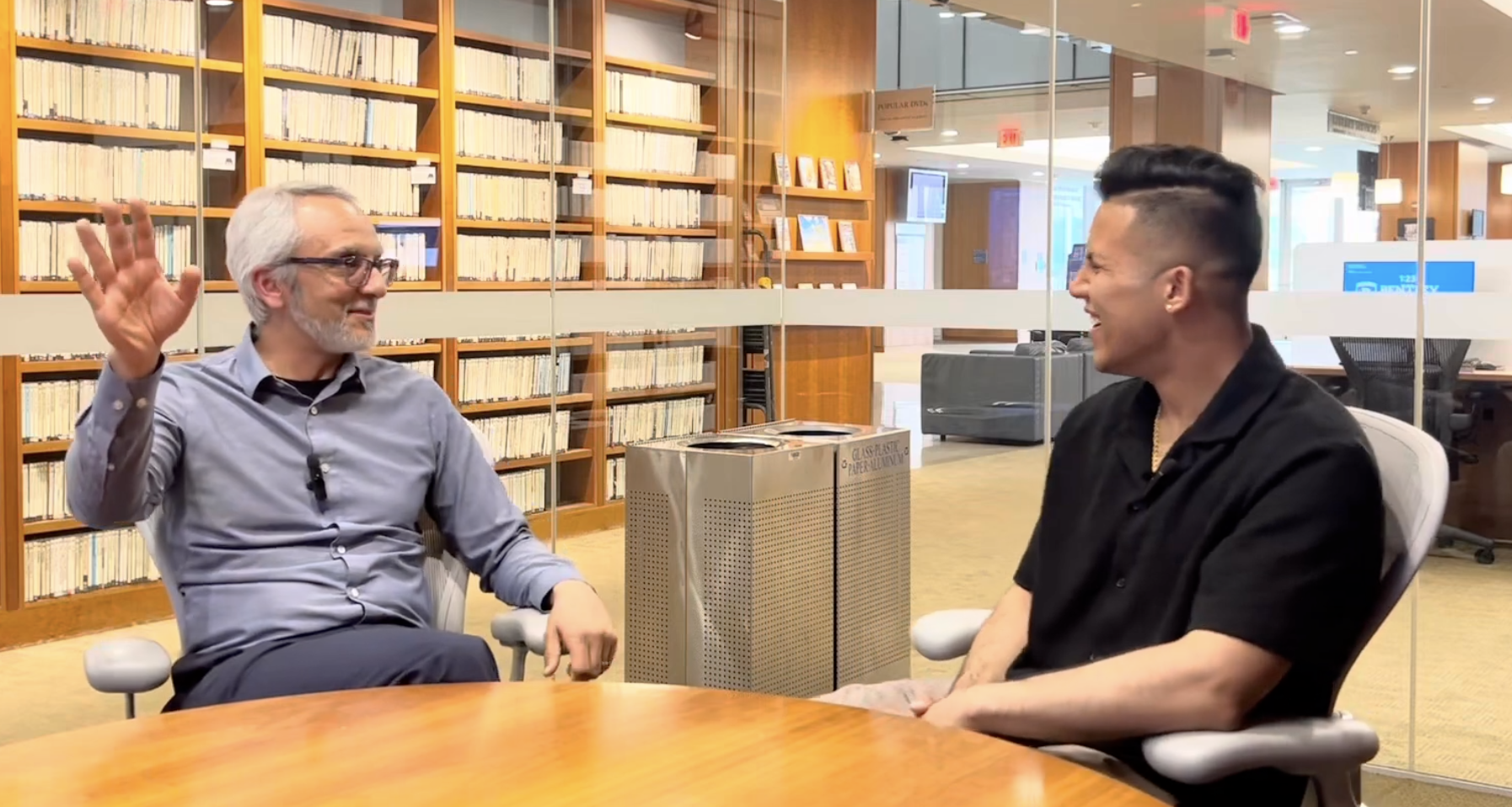
From sleeping in labs to leading life-changing research, Samir Koirala shows that curiosity, urgency, and usefulness (not titles) are what actually build elite careers.
You’ve lived across Nepal, California, and Boston. How did that shape the way you lead?
For a long time, it’s easy to live in “traveler mode” — always thinking about what’s next, where you’re going, what the next phase will be. I eventually made a mindset shift and said: this is where I am, because of my work, my family, and the life I’m building. When you stop treating your current situation like a temporary stop and start owning it, you lead with more presence and intention. You invest more deeply. You care more. And the people around you feel that.
You seemed to have direction early. Where did that clarity come from?
I didn’t know the exact job I wanted or what my career would look like. But I always had a strong curiosity about how things work, especially how the brain works. That curiosity gave me direction even when I didn’t have clarity. I think a lot of people get stuck because they’re waiting for certainty before moving. For me, it was the opposite — I moved because I was curious, and clarity came later.
You described moments where you were the first person to see something new in research. What did that teach you about leadership?
When you realize you’re seeing something no one has seen before, it changes how you think. There’s no template, no confirmation, no one telling you you’re right. You have to trust your judgment and explore the unknown anyway. Leadership is the same. It’s not about managing what’s already defined — it’s about being willing to step into uncertainty and take responsibility for figuring things out.
You’ve worked in both academia and industry. What shifted in how you operate?
Two things changed everything: urgency and collaboration. When you work with children who have severe seizures and developmental challenges, you realize that every day without a solution is a day lost. That creates a different level of focus. And in industry, nothing moves forward alone. You’re part of a larger system, and progress depends on aligning people around a shared mission. You can’t hide behind individual brilliance — you have to move as a team.
You’ve mentored and been mentored. What do people misunderstand about that relationship?
Many people think a mentor is there to tell them what to do. That’s not the point. A mentor’s role is to teach you how to think, how to investigate, how to approach problems. And as a mentee, you have a responsibility to show up prepared. Come with a perspective. Come with a recommendation. The relationship only works when both sides are actively engaged.
What’s the one principle that has guided you through uncertainty?
A lesson I learned from my father is to always ask: am I being useful? That question cuts through ego, titles, and confusion. When you’re focused on being useful — to your team, your community, your mission — you’re naturally moving in the right direction. Careers don’t get built by chasing status. They get built by solving real problems.
Key Takeaways
You don’t need a perfect plan. You need curiosity and movement.
Leadership is the willingness to step into uncertainty, not wait for certainty.
Urgency comes from proximity to real problems, not from pressure.
Mentorship works when you show up prepared, not passive.
The strongest career filter is still the simplest: be useful.
Upcoming Events
1. Leadership Speaker Series ft. Sanjay Manandhar, CEO, Zifino
🗓 Date: Wednesday, January 21
⏰ Time: 7:00 PM – 8:00 PM ET
📍 Location: Virtual
Sanjay will be diving into personal finance for young professionals and rising leaders—from money mindsets to practical frameworks for saving, investing, and building long-term financial stability.About Sanjay:
Sanjay Manandhar helped bring the internet to Nepal in the early ’90s and has spent 25+ years building startups in AI, cybersecurity, and digital media. He founded Aerva—powering 10,000+ screens including Times Square billboards—co-founded facial recognition startup Wicket, and now leads next-gen cybersecurity company Zifino. He holds multiple patents in computer vision and content management. He was a technology stock picker at an asset manager with £12B under management (AUM).
2. Professionals Mixer - Boston
🗓 Date: Thursday, January 29
⏰ Time: 6:00 PM – 9:00 PM ET
📍 Location: 345 Harrison Ave, Boston, MA
👔 Dress Code: Business Casual (no hoodies, sweatpants, or flip-flops)
Looking to meet other Nepali students & professionals in Boston?
Our quarterly mixers are designed to help you connect, collaborate, and build real relationships within the community. Whether you’re new to the area or already part of the network, this is your space to find your people and grow together.
3. Leadership Speaker Series ft. [Guest Speaker]
🗓 Date: Wednesday, February 4
⏰ Time: 7:00 PM – 8:00 PM ET
📍 Location: Virtual
A deep-dive conversation on leadership, innovation, and navigating global careers as a Nepali professional. Announcing our guest speaker in 2 weeks.
Behind The Scenes
Okay, now let me tell you what really went down behind the curtain these last 2 weeks...
You’ve probably seen the posts, the announcements, the clips… so it’s not like nothing’s been happening.
But here’s what really happened:
We finalized the Leadership Speaker Series lineup and schedule through the end of February.
We structured the Jan 29 Boston Professionals Mixer and started mapping how this expands.
We finished the full SOP for the Spring Hackathon and kicked off organizing team recruitment.
We standardized our team sync structure across time zones.
We cleaned up our content system so it’s not random anymore.
And we started laying the backbone for NepCon.
Also, in the middle of all of this, the team quietly went from 2 people to almost 10.
Some already working, some onboarding soon.
Which sounds exciting… and is… but also means more calls, more coordination, and a lot of “wait… who owns this again?” moments.
So yeah… none of this is sexy.
And if I’m being honest, alongside all of that, there have been a lot of conversations like:
“What if no one shows up?”
“What if all this work goes to waste?”
“What if we’re overthinking this?”
“What if we’re building something no one actually needs?”
Anyways, now that you’re officially caught up, you can check out our website to see the full breakdown of what Nepali Leaders Network is, where we’re going, and the long-term vision behind this whole thing.
And if you haven’t already, join our free community — it’s the hub for everything: events, fellowships, networking, and all the opportunities we’re rolling out next.
More soon,
Shreyas K. Shrestha
Founder, Nepali Leaders Network
P.S. If you made it this far, you’re a real one. These newsletters might be my favorite way to stay connected to all of you. See you back in a week!
